


Processing...

 I. Introduction
Maintaining and repairing air conditioning units is crucial for ensuring a comfortable living environment and extending the lifespan of the unit. Regular upkeep not only prevents minor issues from escalating but also maintains the unit's energy efficiency.
Common AC problems can range from minor leaks to significant component failures, each requiring prompt attention to avoid costly repairs.
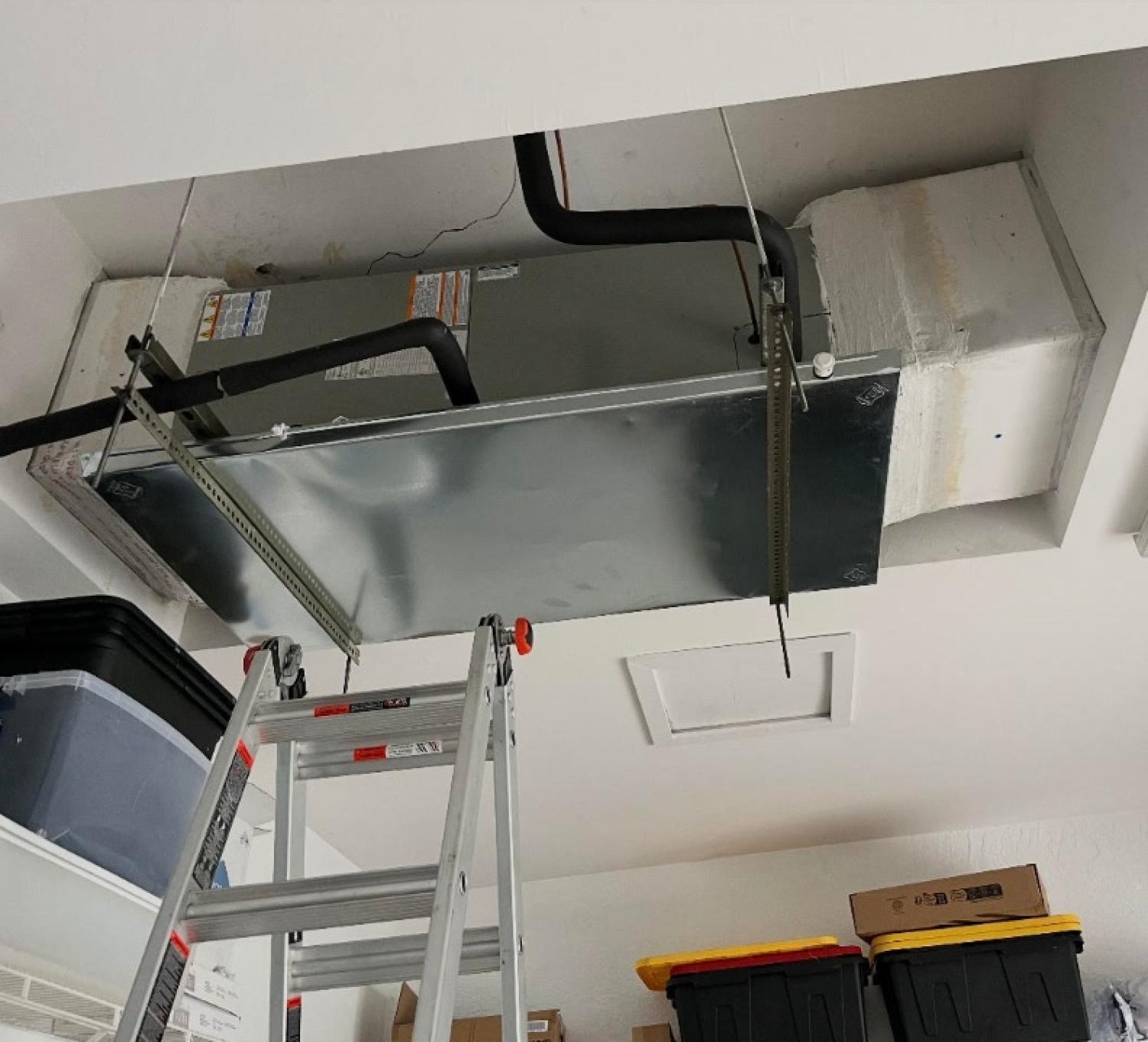
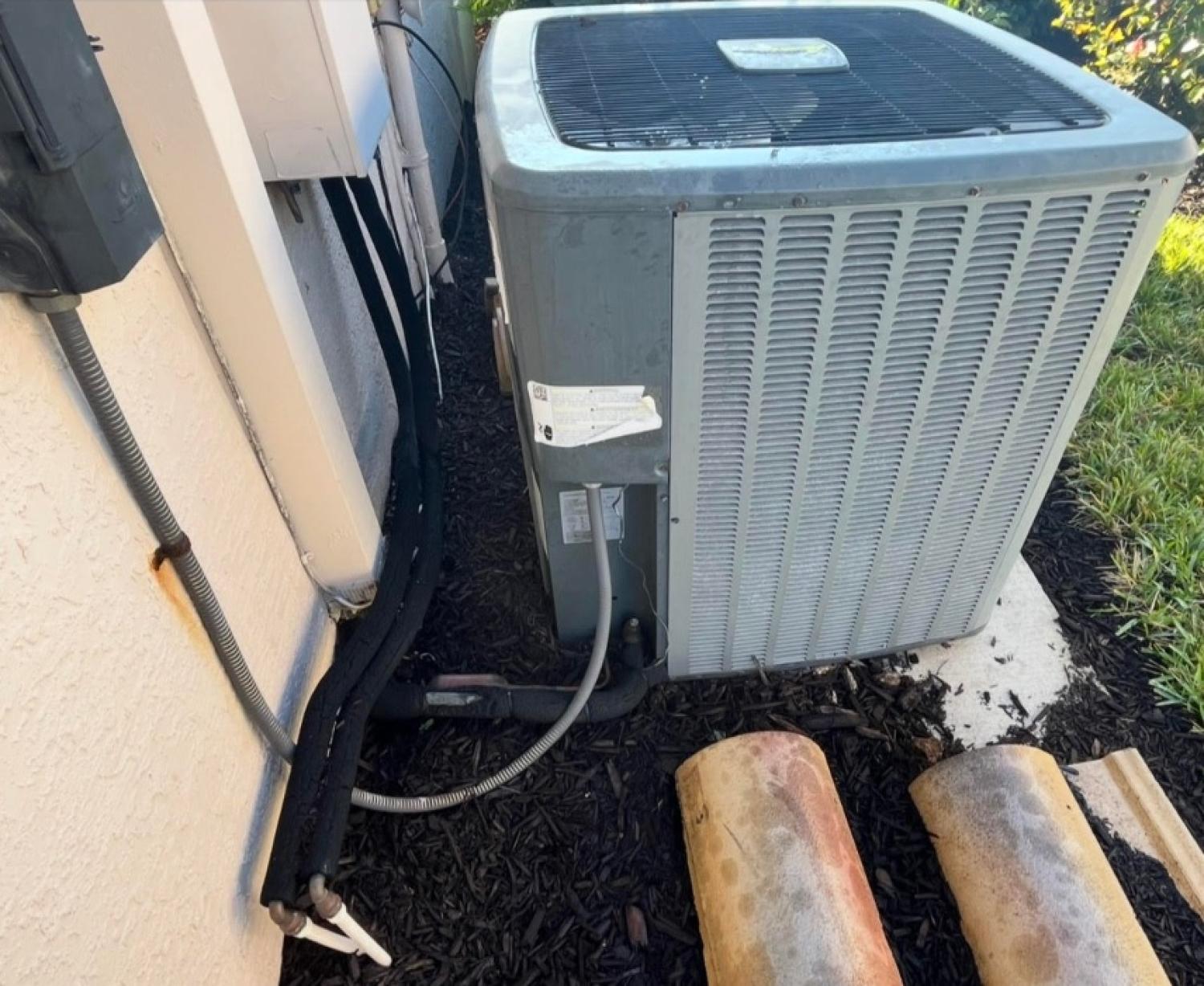
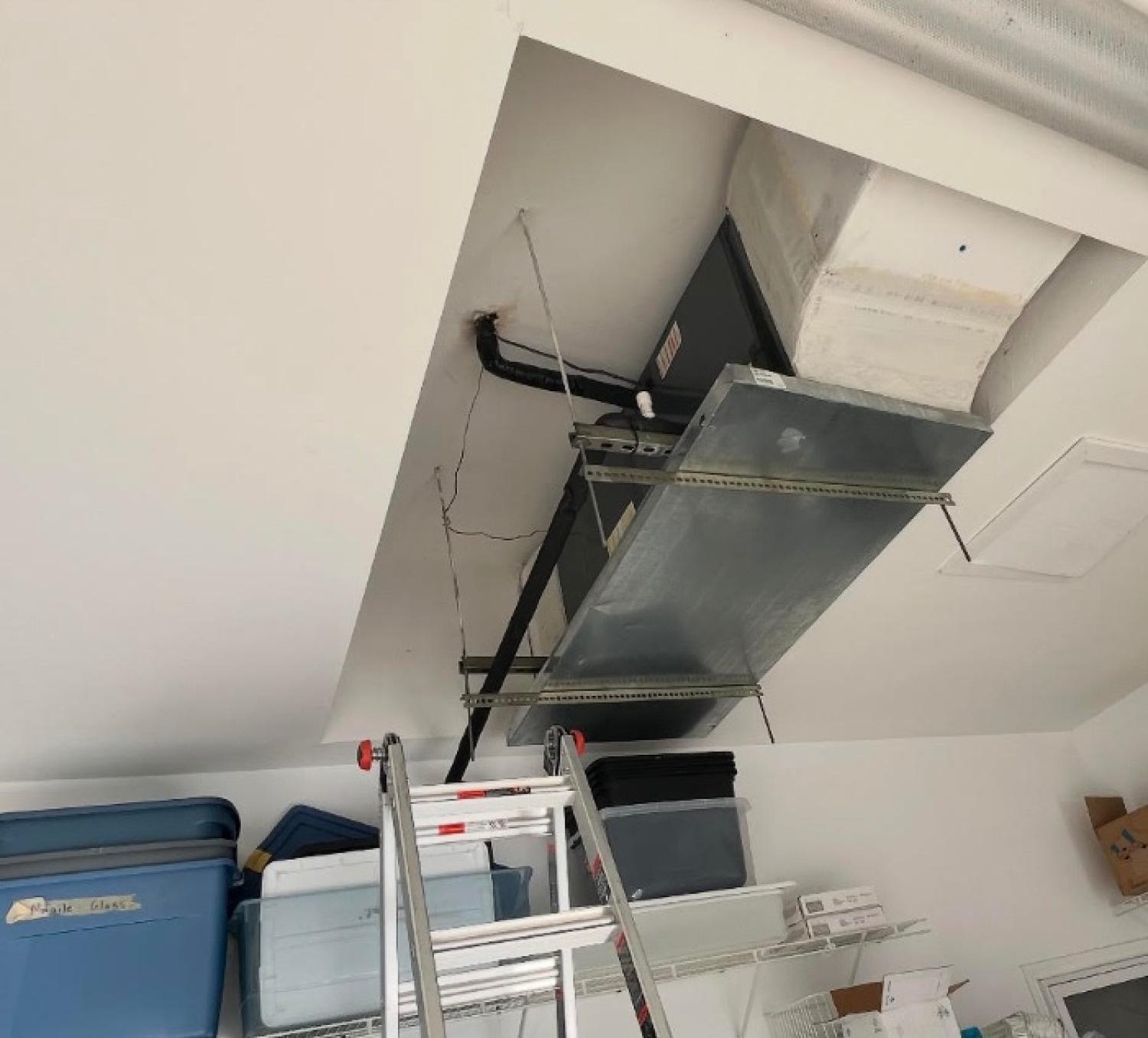
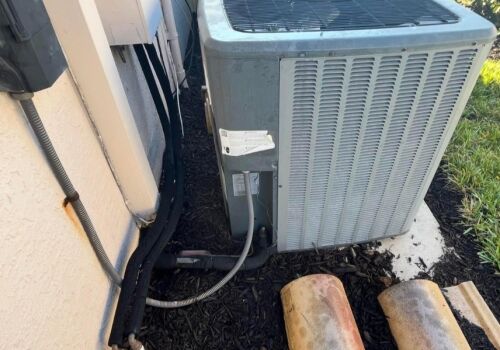
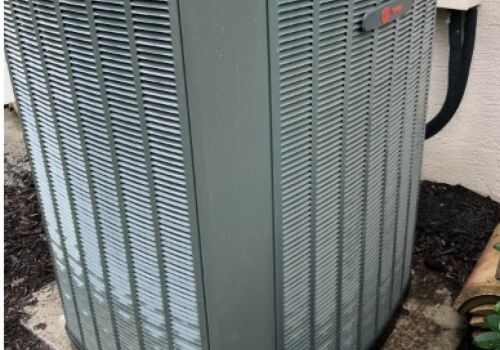
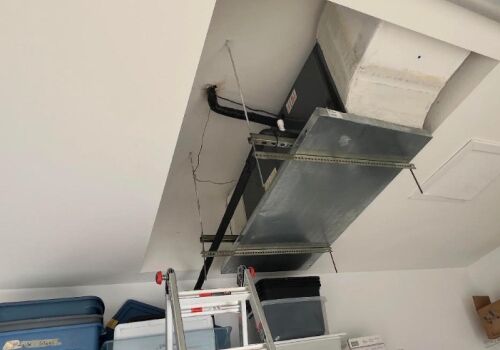
The following case study details a contracted grade quality air conditioning unit that has been in operation for eight years. This aging system exhibited several issues, including:
The consequences of these issues were severe, including water pouring out from the unit and a complete inability to cool the property effectively.
The failure of the TXV resulted in significant ice buildup, which led to the cracking of the drain pan. Additionally, the coil leaks severely impacted the overall performance of the cooling system, further exacerbating the cooling issues faced by the property.
In evaluating the repair costs, the warranty status of the parts was critical:
However, the estimated repair cost stood at $5,527.97, raising concerns regarding the long-term viability of the system, particularly due to its age.
Weighing the options revealed significant considerations:
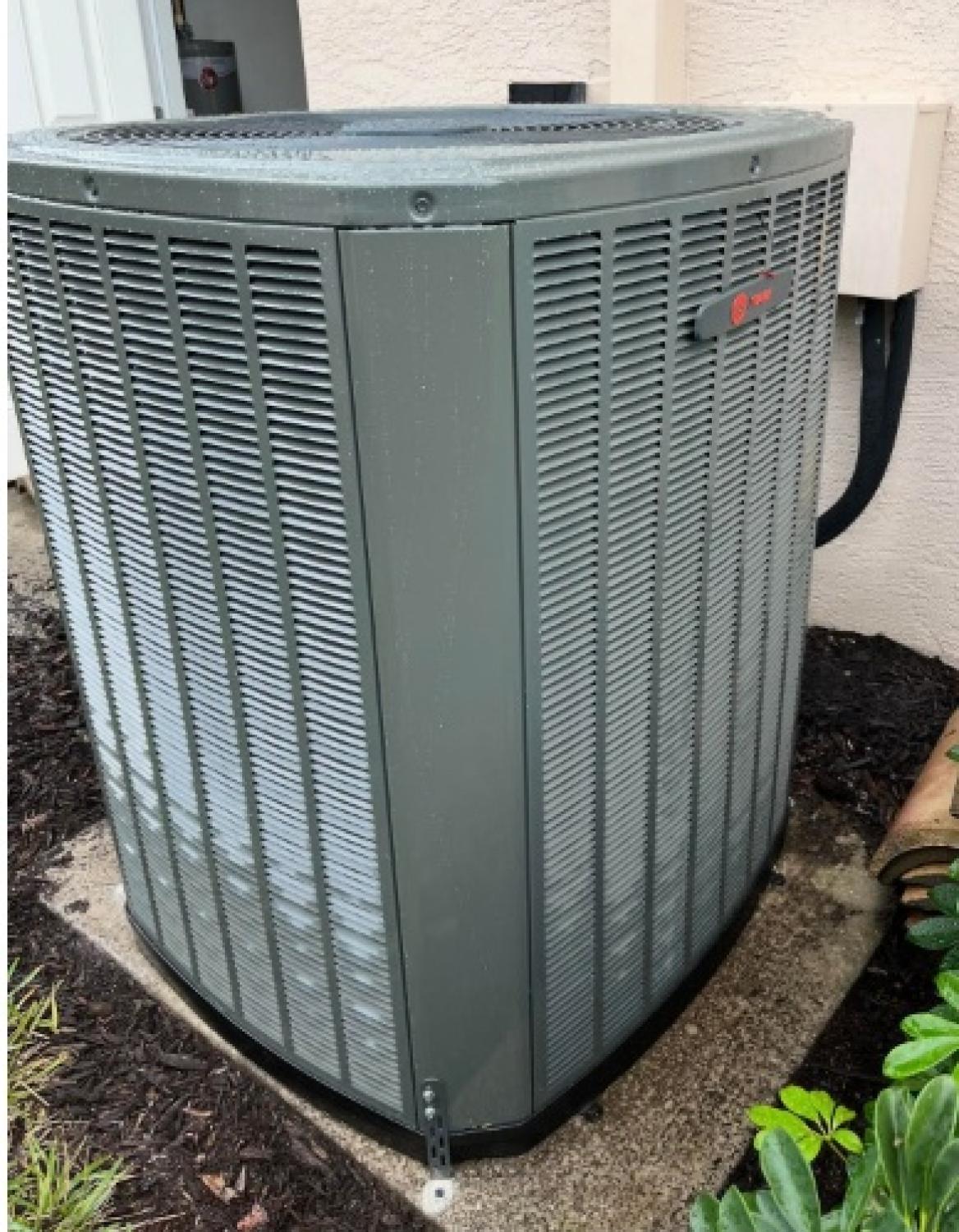
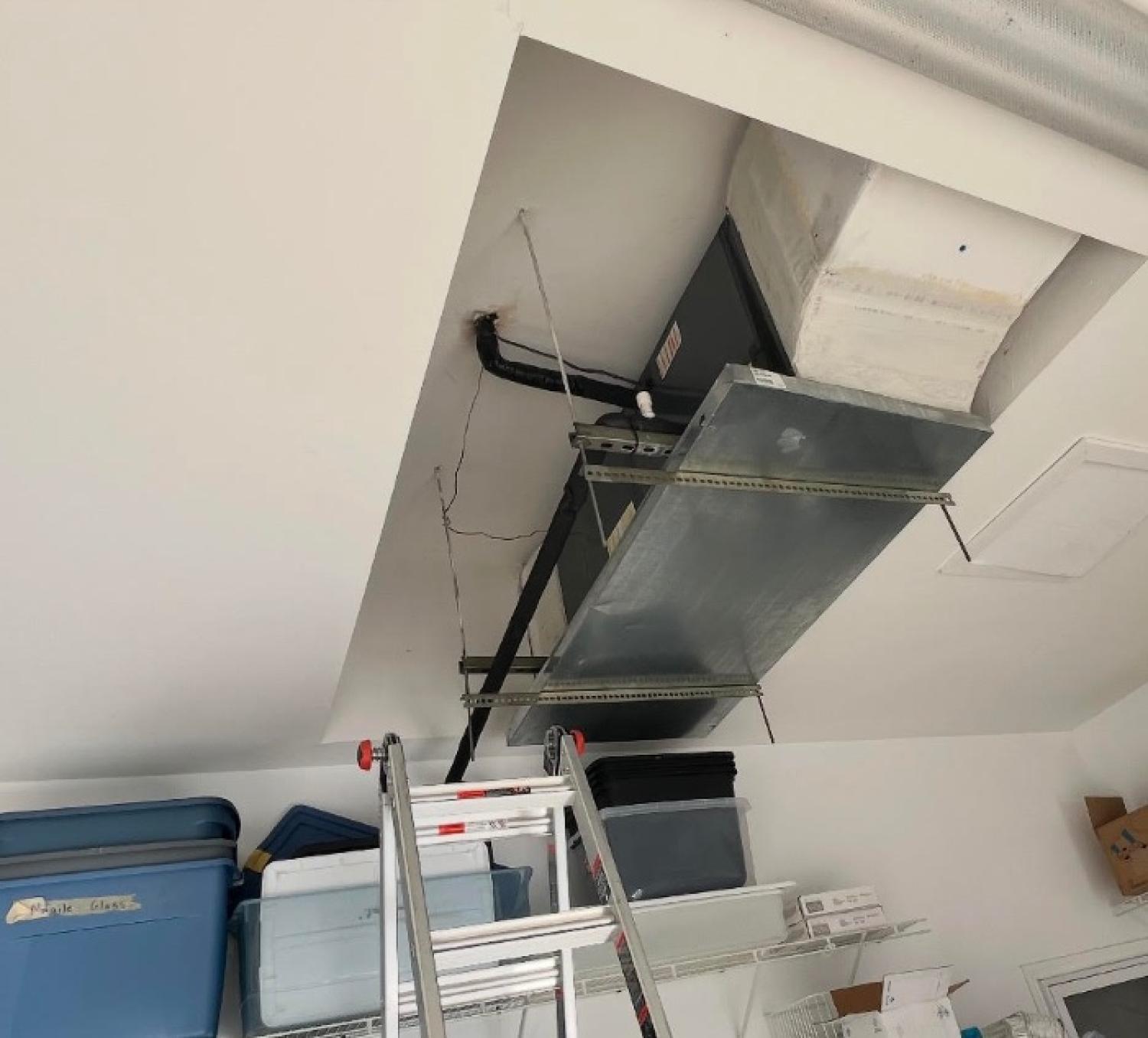
The decision was made to install a new unit, which cost $12,234, but provided the advantage of a 10-year renewed warranty, ensuring better reliability and efficiency.
The decision-making process in AC repair involved careful consideration of repair versus replacement costs, long-term warranties, and overall system performance. Ultimately, understanding the implications of repair issues against the benefits of a new installation highlights the importance of proactive maintenance and informed decision-making.
1. What are the signs that my AC unit needs repair?
Common signs include inadequate cooling, unusual noises, water leaks, and a spike in energy bills.
2. How can I maintain my AC unit to prevent issues?
Regular maintenance includes changing air filters, cleaning the coils, and scheduling professional inspections annually.
3. How do I know if it's better to repair or replace my unit?
Consider the age of the unit, the extent of repairs needed, and energy efficiency. If costs are too high compared to replacement, consider a new unit.
4. Are there financing options available for a new AC unit?
Many HVAC companies offer financing plans that allow homeowners to pay for a new system over time.
5. How long do most AC units last?
Typically, air conditioning units last between 10 to 15 years, depending on usage, maintenance, and quality.
</dl