I. Introduction
A/C systems are essential for maintaining a comfortable and healthy indoor environment. Their functionality not only provides relief from heat but also plays a vital role in air quality and overall comfort. As systems age, their efficiency and reliability can decline, making A/C replacement and modernization a critical consideration for property owners.
II. Factors to Consider for A/C Replacement
When evaluating whether to replace your A/C system, several factors should be taken into account:
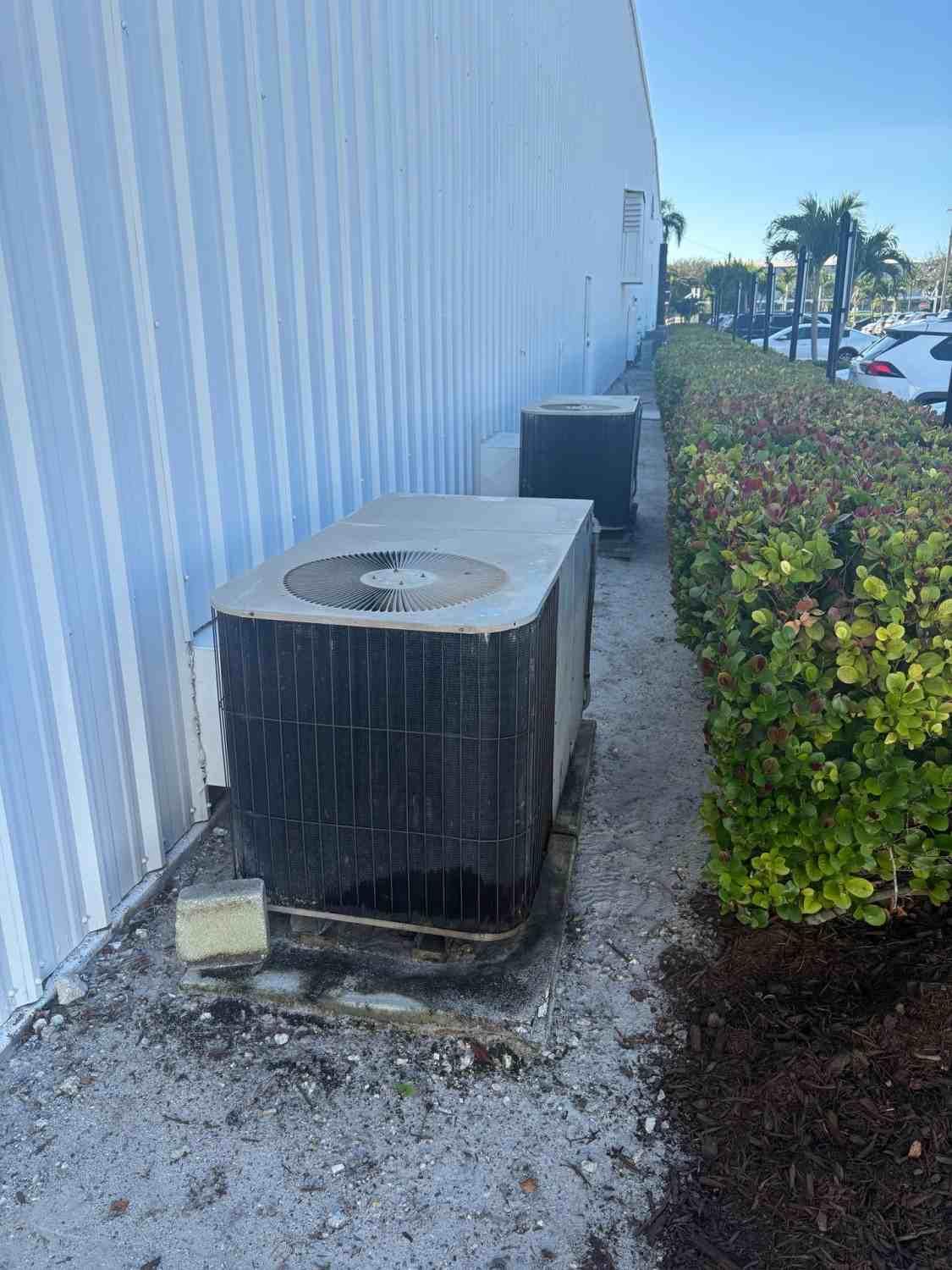
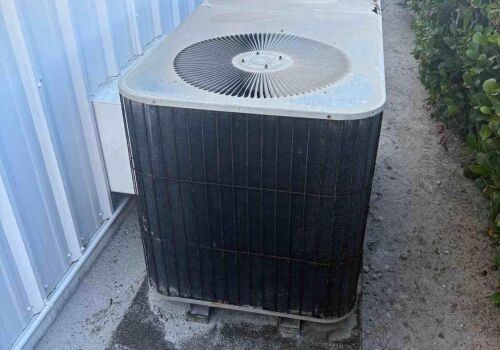
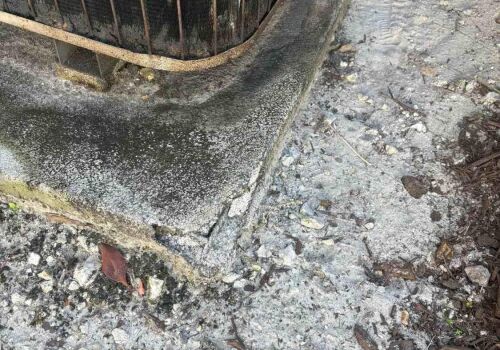
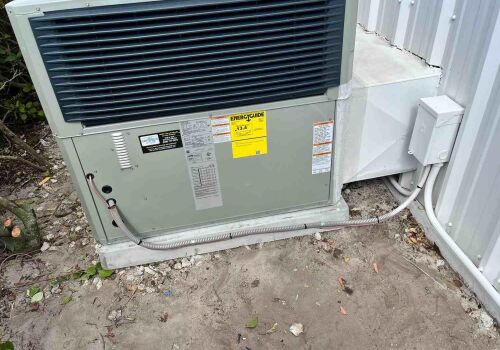
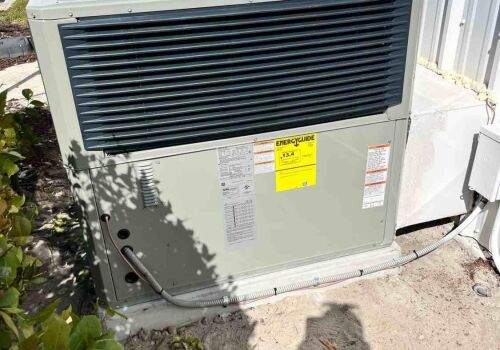
- A. Age of Existing Unit: Equipment that is approximately 20 years old, like the package units previously installed, is likely to show signs of wear such as refrigerant leaks.
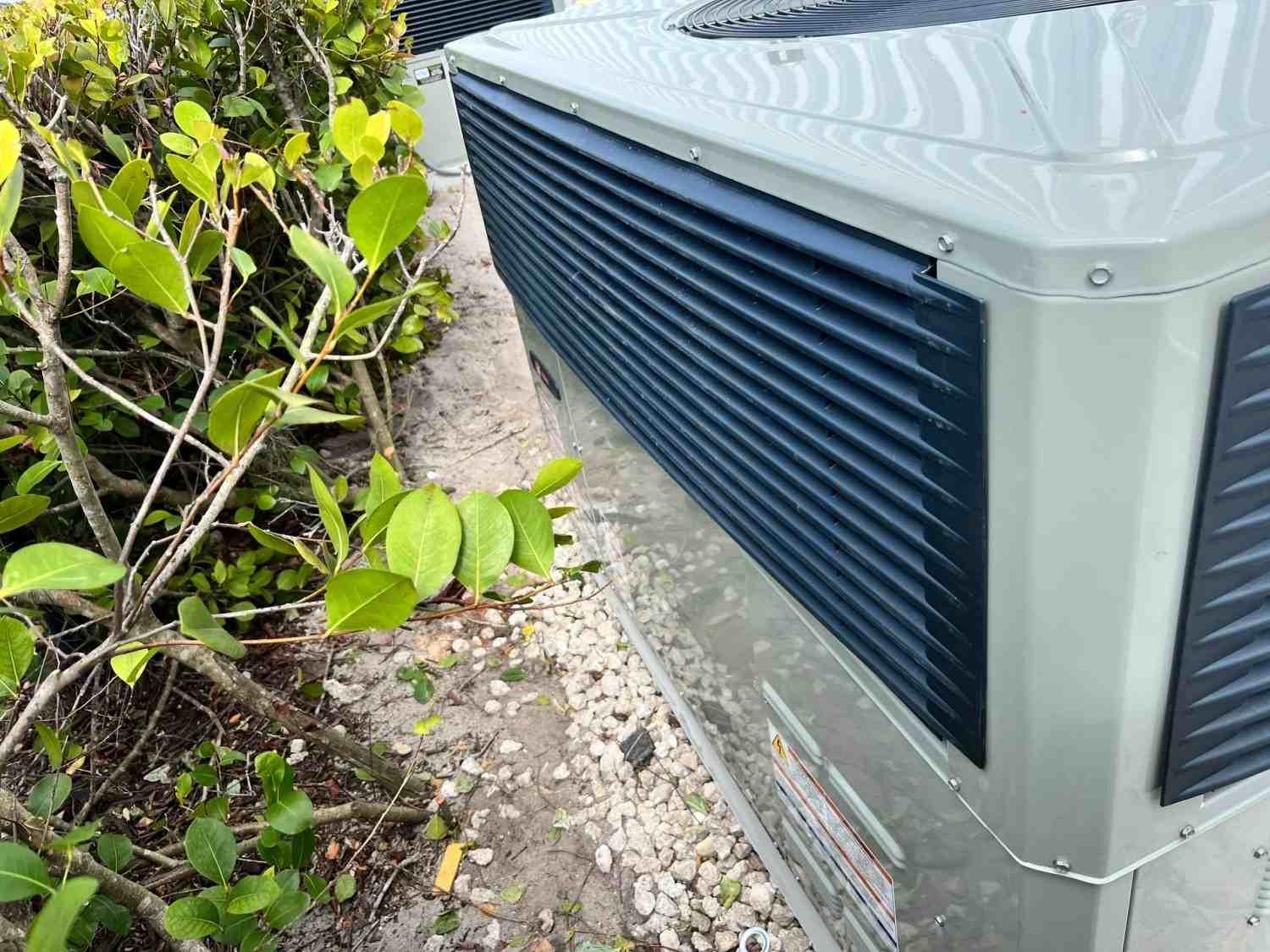
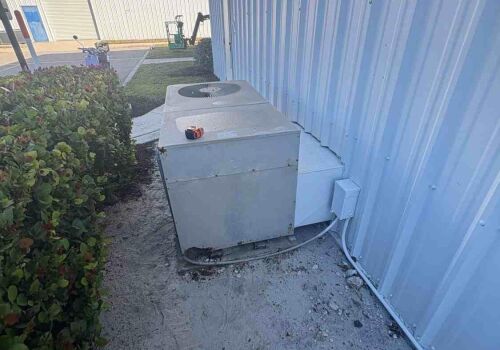
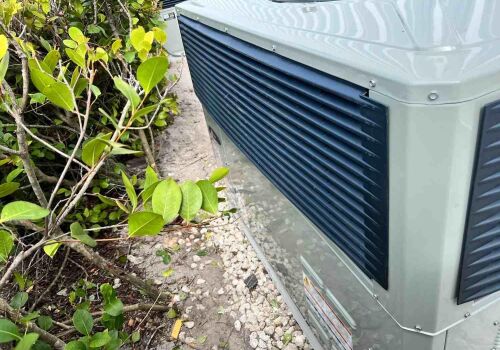
- B. Efficiency Ratings and Energy Consumption: Newer systems, such as the 18-SEER high-efficiency package systems, greatly enhance energy efficiency compared to outdated models.
- C. Repairs vs. Replacement Costs: Given the high costs associated with replacing components like condenser coils without a warranty, a full unit replacement often proves to be more economical in the long run.
- D. Comfort and Indoor Air Quality Needs: Outdated systems struggle to maintain temperature and air quality, which is critical, especially in commercial applications.
III. Benefits of Modernizing A/C Systems
The advantages of upgrading your A/C system are substantial:
- A. Improved Energy Efficiency: Modern systems operate more efficiently, contributing to lower energy bills.
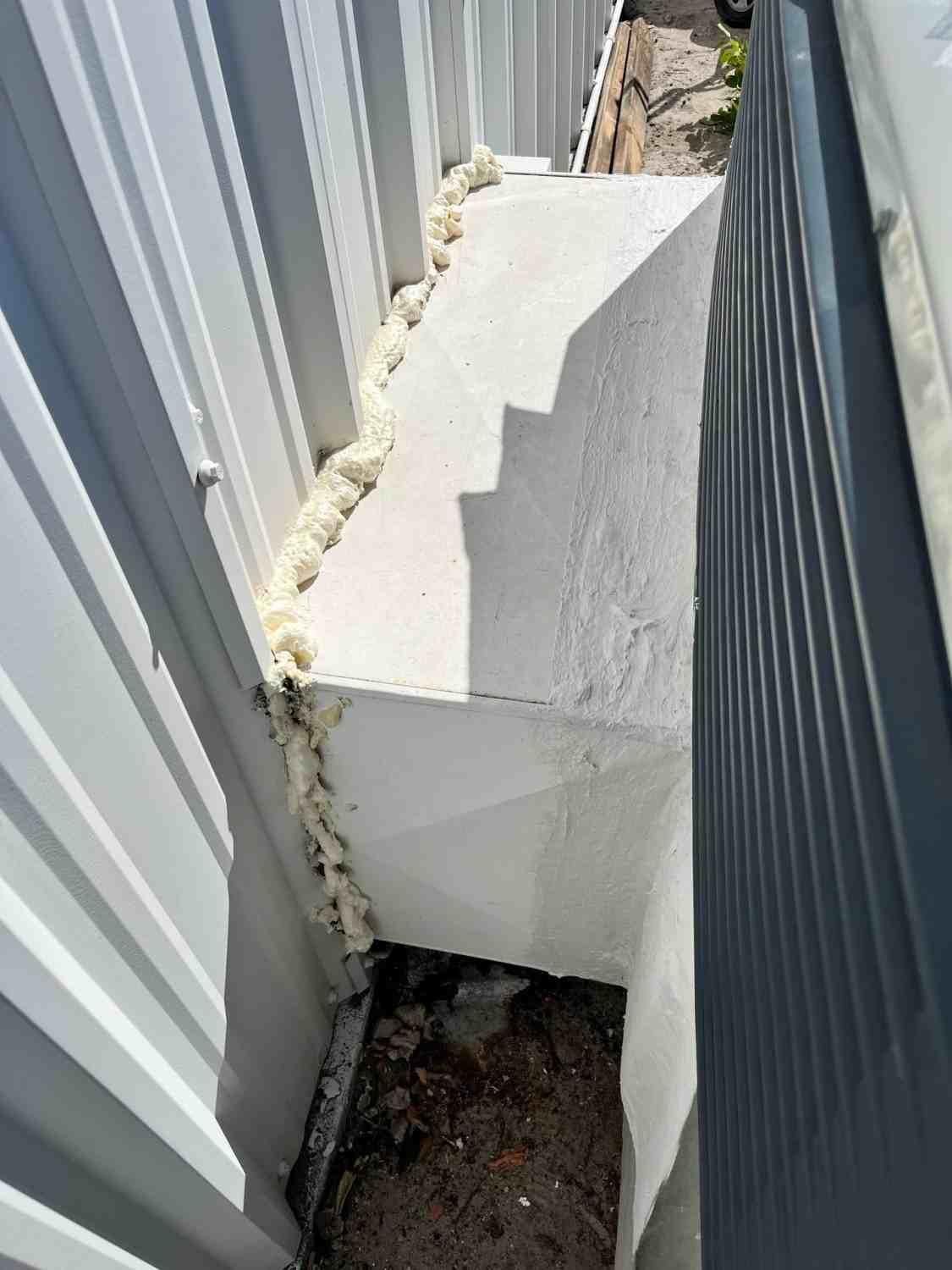
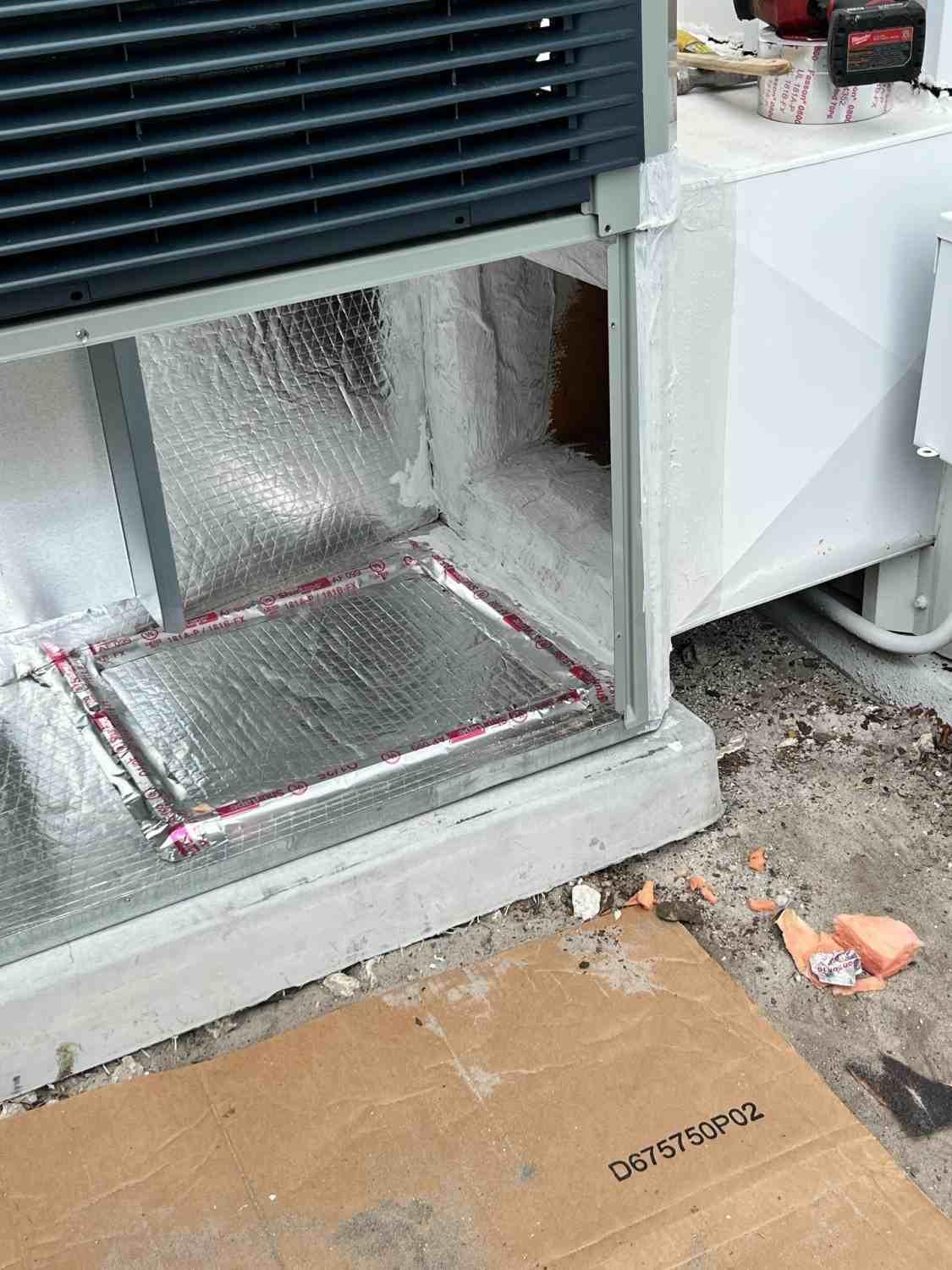
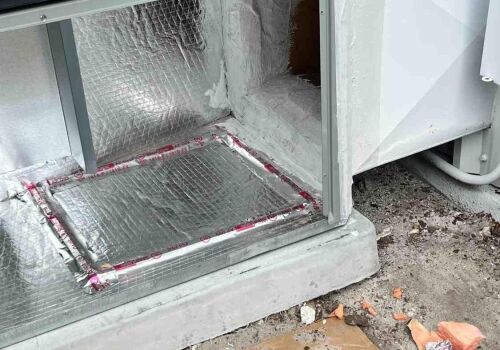
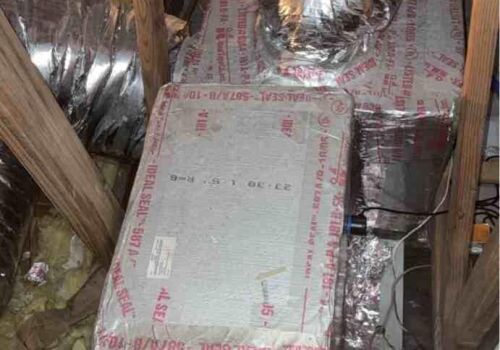
- B. Enhanced Comfort and Climate Control: New equipment, along with modified supply and return plenums, ensures balanced airflow and optimal capacity.
- C. Increased Property Value: Investing in a new A/C system can elevate the overall value of your property.
- D. Environmental Impact and Sustainability: High-efficiency models reduce energy consumption and environmental strain.
IV. Types of Modern A/C Systems
There are various options available for replacing old A/C units:
- A. Central Air Conditioning: Offers powerful cooling for larger spaces.
- B. Ductless Mini-Split Systems: Provides flexibility for specific areas without the need for ducting.
- C. Heat Pumps: Versatile systems that can provide both heating and cooling.
- D. Smart A/C Technology: Enhances user control through features that allow temperature scheduling and management, like the newly installed Wi-Fi thermostats.
V. The Replacement Process
Replacing an A/C system involves several critical steps:
- A. Initial Assessment and Consultation: A thorough examination of the existing systems to determine the best course of action.
- B. Selection of New A/C Unit: Choosing high-efficiency package systems that meet operational demands.
- C. Installation Considerations: Installing new equipment while ensuring proper airflow and system balance.
- D. Post-Installation Maintenance and Support: Ongoing support to maintain performance and reliability.
VI. Conclusion
In summary, A/C replacement and modernization of aging systems are vital for improving energy efficiency, comfort, and long-term cost savings. Property owners should assess their current systems and consider upgrading to modern, efficient solutions that promise better performance and sustainability.
FAQs
-
- Q: How do I know if my A/C unit needs replacement?
A: If your unit is around 20 years old, requires frequent repairs, or is inefficient, it may be time to consider a replacement.
- Q: What is SEER and why is it important?
A: SEER (Seasonal Energy Efficiency Ratio) measures the efficiency of an A/C unit; a higher SEER indicates better energy efficiency.
- Q: Can I replace just the condenser coils instead of the entire unit?
A: Given age and condition, replacing only coils often does not address other issues, making full replacement a more viable option.
- Q: What benefits do Wi-Fi thermostats provide?
A: They enable better temperature control, scheduling, and management which can lead to reduced operating costs.
- Q: How often should I maintain my new A/C system?
A: Regular maintenance is recommended at least once a year to ensure optimal performance and longevity.
</ol